
 0466 120 139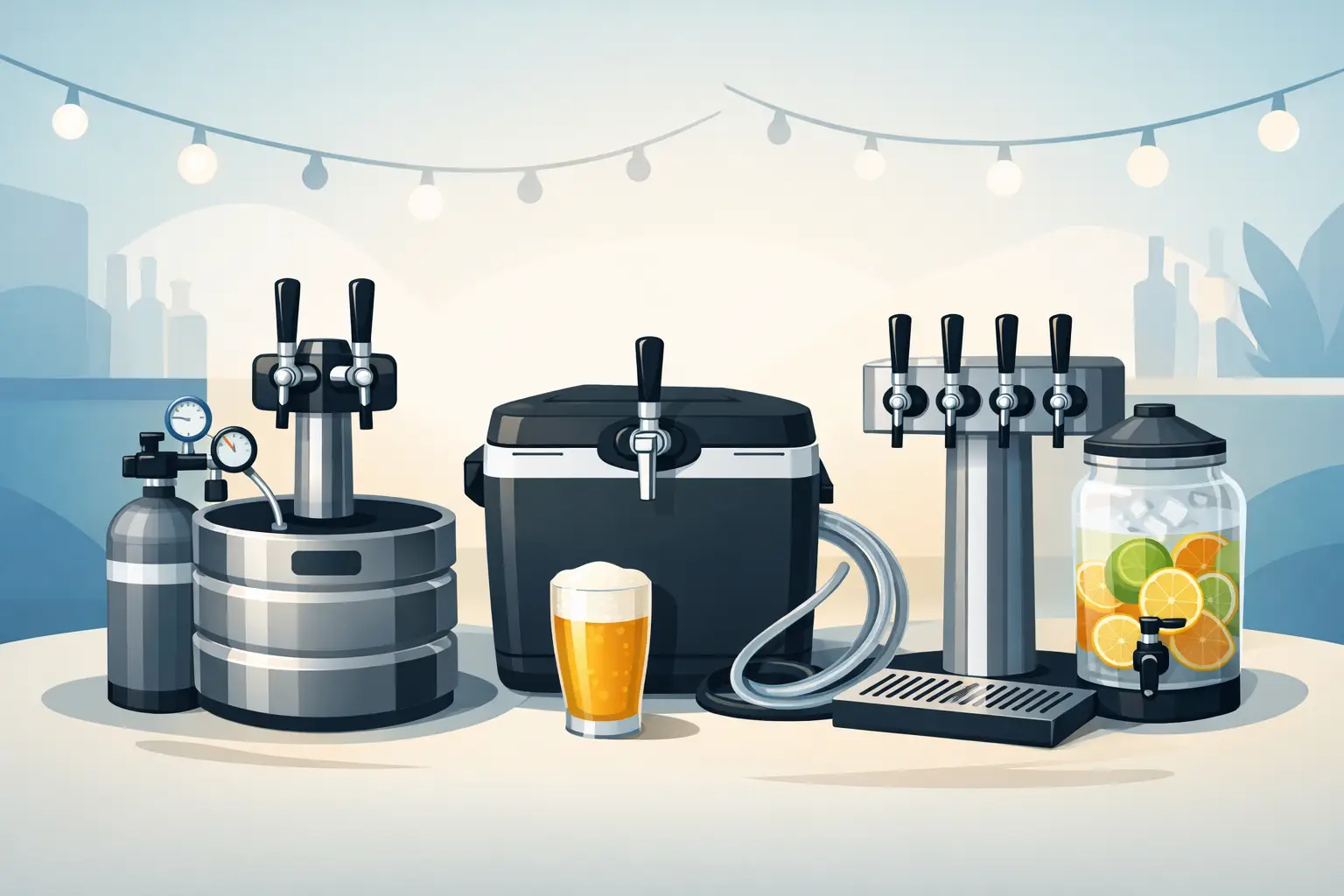
Nobody wants to spend half the party fixing warm beer, flat pours or a tap that suddenly stops working. The best party tap setups are the ones that keep service simple, beer cold and the host out of trouble. Whether you’re planning a backyard birthday, a wedding on private property or a casual get-together with mates, the right setup depends on guest numbers, drink choices and how hands-on you want to be during the event.
A good tap setup is not always the biggest one or the flashiest one. Most of the time, it comes down to matching the system to the job. If you get that part right, pouring fresh beer or cider becomes the easy bit.
The best party tap setups do three things well. They hold temperature, pour consistently and stay manageable for the person hosting. If one of those falls over, the whole experience gets harder than it needs to be.
Cold storage matters more than most people expect. Beer and cider pour best when they stay at a stable serving temperature, and that is especially true in Gold Coast conditions. A keg sitting in the shade still warms up faster than people think, and once that happens, foam becomes a constant battle.
Gas control is the next piece. Too much pressure and the pour can be all head. Too little and drinks come out flat or sluggish. A proper regulator and the right settings make a big difference, particularly if the keg is being poured over several hours.
Then there is practicality. A party setup should suit the space, the crowd and the host. If you need to move it around stairs, into a hall or across a backyard, size and transport suddenly matter just as much as pouring quality.
For smaller gatherings, a compact single-tap arrangement is often the smartest choice. If you are hosting a birthday barbecue, family get-together or weekend celebration at home, one keg and one tap can be more than enough. It keeps things straightforward, uses less space and reduces the chance of waste if your guest count is modest.
For medium-sized events, a more stable refrigerated setup starts to make sense. This is where kegerators, jockey boxes or well-managed party hire systems can really earn their keep. You have better temperature control, a cleaner serving station and less fiddling once guests arrive.
Larger events often need more than just extra volume. They need flow. If people are lining up for drinks, a dual-tap setup can make service much smoother, especially if you want to offer both beer and cider. It also helps if one drink ends up being more popular than expected. Having two options on tap gives guests choice without creating chaos around the esky.
A single-tap system is often the best starting point for home hosts because it covers the basics without overcomplicating the day. If you are pouring one crowd-pleasing beer or cider, a single keg, gas bottle, regulator and tap line can do the job nicely.
This sort of setup works well for birthdays, footy nights, casual engagement parties and small celebrations where people are mostly drinking the same thing. It is also easier to monitor. You have one keg level to watch, one line to manage and fewer moving parts overall.
The trade-off is choice. If some guests prefer cider and others want beer, or if you expect a mix of heavier and lighter drinkers, one tap can feel limiting. That does not mean it is the wrong call. It just means you need to think clearly about your crowd before locking it in.
If you regularly host or you are planning a wedding, milestone party or community event, a dual-tap setup gives you far more flexibility. One tap can pour lager or pale ale while the other handles cider. That simple change can make the drinks service feel far more considered without being hard to manage.
Dual-tap systems also help spread demand. Guests are less likely to crowd a single point, and if one keg empties earlier than planned, you are not left with nothing on tap while you sort things out. It is a practical option when you expect different tastes across the group.
The main consideration is space and cooling. Two kegs take more room, and both need to stay properly chilled. If you do not have the refrigeration or transport sorted, a dual setup can create more work than it solves. It is a better fit when you have enough room and a clear plan for serving.
Portable tap setups are popular because they are flexible and easier to move. They suit backyard events, hired venues and parties where bump-in and bump-out need to be quick. If you are setting up under a patio, in a shed or at a private function space, portability can be a real advantage.
The catch is that portable does not always mean low-maintenance. You still need solid chilling and stable gas pressure. If the keg is not kept cold enough, your nice simple setup can turn temperamental very quickly.
Refrigerated setups usually offer the most reliable pour across a full event. Kegerators and similar systems keep temperature steady, which means less foam and less guesswork. They are especially useful when the weather is warm or the event runs all afternoon into the evening.
If you already have a bar fridge or kegerator at home, using that gear can be the easiest path. If you do not, party hire can make more sense than buying equipment for a one-off. It depends on how often you host and whether you want a permanent home draft setup after the event is over.
When people think about party taps, they usually focus on the keg and the tap itself. In practice, the small components are often what decide whether the day runs smoothly. A regulator that holds pressure properly, clean beer lines and the right connectors for the keg all matter.
This is where a bit of technical support goes a long way. Not every keg uses the same fitting, and not every host wants to troubleshoot gas issues an hour before guests arrive. Getting the right parts matched from the start can save a lot of frustration.
Clean lines matter for flavour as well as function. Fresh local beer and cider deserve a clean pour. Old residue in lines affects taste, aroma and foam, and it is one of those problems people only notice once the first drinks are in the glass.
Beer and cider do not always behave exactly the same way on tap. Serving pressure, temperature and style all play a part. A crisp lager and a cloudy cider might both pour well through the same event setup, but they may need slightly different handling to show at their best.
That is why the best party tap setups are not just about equipment. They are about the full serving plan. If you are choosing fresh, preservative-free beer or cider, keeping it cold and pouring it properly is part of getting the value out of what you bought.
For some events, one popular style is the easiest route. For others, offering one beer and one cider is the better call because it broadens the appeal without turning the setup into a full bar operation.
There is a temptation to think bigger always means better. More taps, more fittings, more gear. But a party setup should suit the occasion, not the host’s ambition. A simple, well-prepared single-tap system can outperform a complicated setup that nobody fully tested.
If you are hosting at home, think about where guests will gather, how power will be supplied if needed, how the keg will stay cold and who will keep an eye on things during the event. If you are taking equipment to a venue, think about transport, pack-down and access. The best system is the one that works in the real world, not just on paper.
For plenty of local hosts, that means getting straightforward advice, reliable gear and fresh beer or cider from one place instead of piecing it together from three different suppliers. That practical side is exactly why setups supported by experienced local operators, including businesses like Aardvark & Arrow Brewery, tend to make party planning easier.
A good party tap setup should let you enjoy your own event. If the beer is cold, the pour is clean and the system matches the crowd, you are already most of the way there.