
 0466 120 139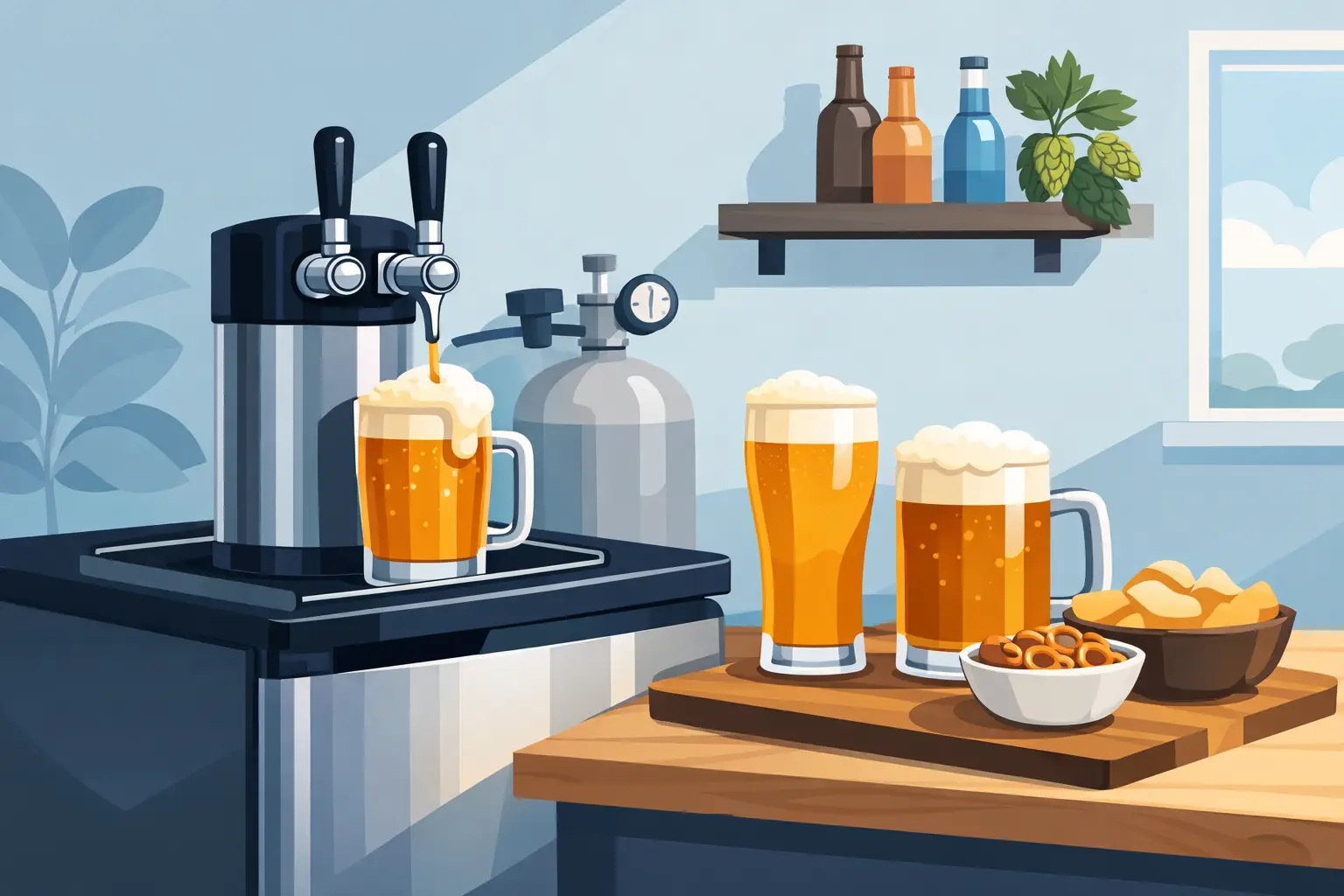
A warm afternoon, a few mates around, and your beer pouring flat, foamy or warmer than it should be – that is usually the moment people start thinking seriously about the best home beer setup. The good news is you do not need a full pub fit-out to get fresh, reliable pours at home. You just need the right setup for how you actually drink, serve and store your beer.
The best setup is not always the biggest one or the most expensive one. For some homes, it is a clean little kegerator in the garage or outdoor area that pours one beer perfectly every time. For others, it is a bar fridge conversion with a petrol bottle, regulator and a simple tap arrangement that keeps costs down while still delivering proper cold draught beer.
What matters most is matching the system to your habits. If you only pour for the odd weekend barbecue, you probably do not need a multi-tap tower and a stack of spare kegs. If you enjoy fresh beer every week, host regularly, or want to keep both beer and cider on tap, a more complete setup makes sense and usually pays off in convenience alone.
A good home beer system should do three things well. It should keep beer cold, hold steady petrol pressure, and pour consistently without turning every first glass into a foam experiment. If one of those three is missing, the whole setup becomes annoying fast.
Before choosing gear, think about what you want from it. There is a big difference between wanting draught beer at home and wanting a proper serving system you can rely on week after week.
If convenience is your main goal, a single-tap kegerator is often the sweet spot. It is tidy, compact and straightforward to use. You load the keg, connect the petrol, set your pressure and pour. For most households, that covers the basics without creating a hobby out of maintenance.
If flexibility matters more, a converted fridge can be a smart option. It can cost less if you already have a suitable fridge, and it gives you room to build around your needs. The trade-off is that it often takes more planning, especially around line length, tap placement and fitting the petrol bottle properly.
If you are more into home brewing than simply serving packaged keg beer, your setup might need to do double duty. In that case, easy access to CO2 refills, regulators, spare parts and replacement fittings matters just as much as the fridge itself. The best home beer setup for a home brewer is usually the one that is easy to maintain, not just nice to look at.
No matter which direction you go, the main parts are fairly simple. You need a cold cabinet or kegerator, a keg, a CO2 bottle, a regulator, beer and petrol lines, and a tap or font. Every part affects the pour.
Temperature is where a lot of home systems go wrong. Beer that is not cold enough pours foamy and wastes petrol. A proper kegerator is built to hold serving temperature steadily, which makes it easier to get a consistent result. A standard bar fridge can still work, but not all fridges are ideal for keg dimensions or stable cooling, so it pays to check before buying parts around it.
Your regulator matters more than people think. Cheap or inconsistent regulators can create pressure swings that show up in the glass straight away. The same goes for worn seals, loose clamps and old beer line. Small faults turn into frustrating pours.
Then there is the tap itself. A decent tap is worth it because it is the part you use every time. If it sticks, drips or pours poorly, the whole setup feels second-rate even if the rest of the system is fine.
For many people, a kegerator is the cleanest answer. It is purpose-built, usually easier to set up, and neater in a home or entertaining space. If you want a low-fuss system with fewer moving parts, this is often the best option.
It also tends to be a better fit for people who are not interested in tinkering. You are paying for convenience, but that convenience is real. Better airflow, more predictable fitment and cleaner presentation all count for a lot when you just want cold beer on tap.
A fridge conversion can be great value if you have the right fridge and do not mind a bit of setup work. It can also be a good option if you need more internal room or want to customise your tap arrangement.
The trade-off is that not every fridge converts neatly. Some struggle with temperature control, some do not fit the keg and petrol arrangement well, and some become more work than expected once drilling, routing and balancing lines come into it. It can absolutely work, but it is not automatically the cheaper or easier path in the long run.
One tap is enough for plenty of homes. If you usually drink one style at a time and want the simplest setup, a single-tap system is easy to manage and cheaper to run.
Two taps start to make sense if your household likes options. One beer and one cider is a common combination, especially for entertaining. It is also handy if you want a mid-strength option beside a full-strength pour.
Beyond that, ask yourself how often all those taps will really be used. More taps mean more line cleaning, more fittings, more petrol planning and more chance of something needing attention. Bigger is not always better at home.
This is the bit people skip when they are excited about fresh draught beer at home. A great setup still needs basic upkeep. Lines need cleaning. Seals wear out. Petrol bottles need refilling. Regulators and fittings need checking.
If you ignore maintenance, even excellent gear starts pouring poorly. Beer stone, off flavours and foam problems usually build gradually, which means many people blame the keg or the temperature when the real issue is a dirty line or tired fitting.
That is why local support matters. Being able to get CO2 refills, replacement parts and practical advice from people who actually understand draught systems makes a home setup much easier to keep running. It is one thing to buy equipment. It is another to know you can keep it working without chasing bits from three different places.
There is no single price point for the best home beer setup because it depends on how often you use it. A cheaper setup that frustrates you every weekend is not good value. A well-chosen system that pours properly for years usually is.
Spend where it counts. Reliable cooling, a sound regulator and decent fittings are worth prioritising. You can keep the setup modest and still get a genuinely good result if the important parts are right.
If budget is tight, start simple. One tap, one keg, one solid petrol setup. You can always expand later. It is better to have one tap pouring properly than two taps that need constant fiddling.
For a small household that enjoys the occasional draught beer, a compact single-tap kegerator is usually the easiest answer. It looks tidy, takes up less room and keeps things straightforward.
For regular entertainers, a two-tap setup is often the practical winner. It gives people a choice and saves the hassle of swapping kegs mid-event.
For home brewers, flexibility and serviceability matter most. A setup that makes it easy to change parts, refill petrol and troubleshoot quickly is usually the smarter long-term choice than a flashier unit with limited support.
For outdoor entertaining areas, think carefully about heat. Gold Coast conditions can be tough on beer systems if the unit is in a hot space or exposed area. Good cooling and sensible placement matter just as much as the equipment itself.
A home draught system should make beer better, not more complicated. If you are unsure where to start, it helps to talk with someone who deals with kegs, petrol, regulators and serving gear every day, not just someone shifting boxes. Businesses like Aardvark & Arrow Brewery see both sides of it – fresh beer and the practical gear needed to serve it properly – which is why good advice at the start can save money and hassle later.
The right setup is the one that fits your space, your budget and the way you actually drink. Keep it cold, keep it clean, keep the petrol steady, and you will have something far better than a novelty in the corner. You will have a home beer setup you actually use.