
 0466 120 139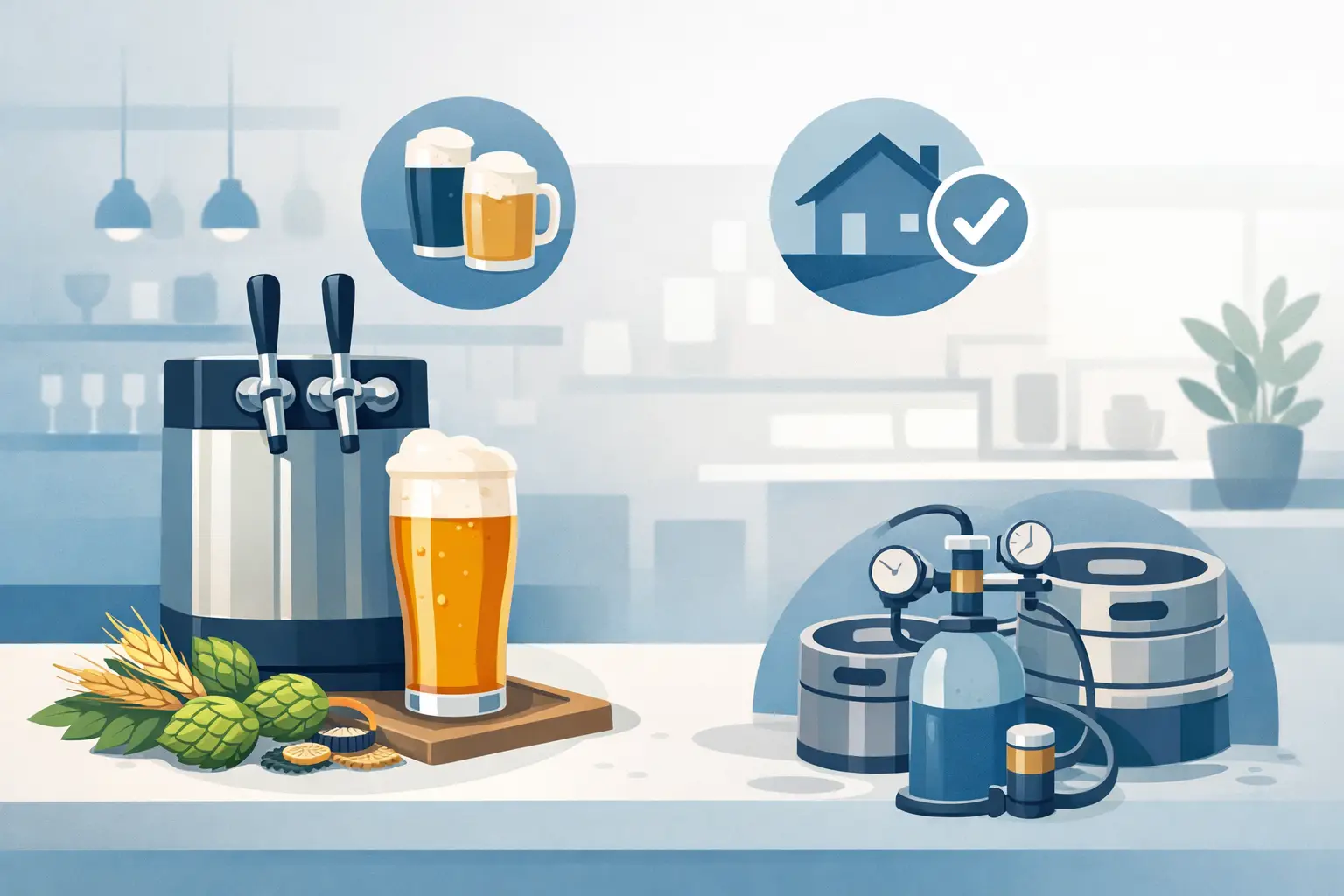
That first pour tells you everything. If the beer comes out flat, foamy or warm, the problem usually is not the keg – it is the setup around it. A good draft beer system for home should make fresh beer easy to serve, not turn every weekend into fault-finding. The right system gives you better pours, less waste and a proper pub-style result without overcomplicating things.
For most households, the best setup depends on three things: how often you pour, how much room you have, and whether you want something simple or more hands-on. There is no single perfect option for everyone. A compact kegerator in the garage, a bar fridge conversion in the shed, or a more polished two-tap setup indoors can all work well if the parts match the way you actually drink and entertain.
At its core, a home draft setup is straightforward. You need a chilled keg, a CO2 cylinder, a regulator, beer and gas lines, and a tap to dispense. The trick is getting those parts balanced properly so the beer stays fresh and pours cleanly.
Temperature matters more than many people expect. Beer that is even a few degrees too warm will foam far more easily, and then people start adjusting gas pressure to fix a temperature problem. That usually makes things worse. If your keg is being stored and served cold at a stable temperature, you are already most of the way there.
The second big factor is gas control. Too much pressure and you will cop excessive foam. Too little and the beer can taste flat and lifeless. A decent regulator is not the place to save a few dollars, especially if you want consistent results over time.
Then there is practicality. A draft beer system for home should suit your routine. If you only pour for family dinners and the occasional barbecue, a simple single-tap unit may be plenty. If you like to keep a lager and a pale ale on at once, or beer and cider side by side, a dual-tap setup starts to make more sense.
The easiest option for most people is a kegerator. These units are built for draft service, so they take a lot of guesswork out of the process. You get refrigeration designed around keg storage, room for gas gear, and a cleaner finish overall. If you want convenience and reliability, this is usually the safest bet.
A converted fridge can be a good choice if you are handy and already have a suitable spare fridge. It can also be more affordable upfront. The trade-off is that not every fridge is ideal for keg height, gas bottle placement or line routing. You need to measure carefully and think through airflow, drilling, and access before you commit.
Portable party setups sit in a different category. They are useful for events, short-term use or people who do not want a permanent unit taking up space at home. They are practical, but they are not always as tidy or as consistent as a properly installed kegerator. For occasional entertaining, that may be perfectly fine.
A lot of home users overestimate how much beer they will get through. A larger keg can offer better value per litre, but only if you are serving it often enough to enjoy it at its best. If the keg lingers too long, freshness can start to drop away, especially if the system is not maintained well.
Smaller households often do better with more manageable keg sizes, while frequent entertainers may prefer the convenience of larger kegs and fewer changeovers. If you mainly host on weekends, think about your real pour volume rather than your ideal one.
Tap number is similar. One tap is simple, cheaper and easier to maintain. Two taps give you more flexibility, but they also add cost, more line cleaning and more things to troubleshoot. If you know you will use both regularly, great. If not, one quality tap can be the smarter choice.
Plenty of Gold Coast homes like having cider on tap as well as beer, especially when guests have mixed tastes. That can work very well on a dual-tap setup, but it is worth remembering that each product may pour best at slightly different settings. You can still run both, but it pays to discuss gas and serving preferences before buying parts.
This is the part that gets ignored until the pours go bad. CO2 does two jobs – it pushes the beer to the tap and helps maintain carbonation. If your regulator is inconsistent or your gas bottle is running low, the whole system becomes frustrating quickly.
A proper regulator should be easy to read and stable under normal use. Cheap units can drift, which means the pressure you set is not always the pressure you get. That usually shows up in the glass before you notice it on the gauge.
Line length and diameter matter too. They help control resistance in the system so the beer reaches the tap at the right speed. If the line is too short for the pressure being used, the pour can race out and foam. If it is too restrictive, the pour can be slow and awkward. This is why mixing random parts from different sources often leads to poor results. A balanced setup is worth it.
Running out of gas halfway through a get-together is one of those mistakes most people only make once. Keep an eye on bottle condition, refill timing and whether your cylinder size matches your usage. If you are pouring regularly, having reliable local refill support makes life easier.
People love the idea of beer on tap at home. They are less excited by the cleaning side of it. Fair enough. But a dirty line will ruin even the best beer faster than almost anything else.
Beer lines, taps and connectors pick up residue over time. Left alone, that affects flavour, aroma and pour quality. It can also shorten the life of seals and fittings. Regular cleaning is not overkill – it is basic maintenance.
How often depends on use, but the general rule is simple: if you want fresh beer to taste fresh, keep the system clean. That means more than wiping the tap handle. It means flushing lines, checking fittings and replacing worn seals before they start causing leaks or off-flavours.
Most pouring issues come back to a handful of common problems. Warm beer is the big one. The next is over-adjusting the regulator every time a glass foams. After that, it is poor cleaning, worn seals, and mismatched components.
Another common mistake is buying too much system for the way you live. A polished multi-tap setup looks great, but if it is underused, hard to maintain and taking up half the entertaining area, it can become a chore rather than a pleasure. A smaller system that pours properly is usually better than a bigger one that is always being fiddled with.
There is also the temptation to go as cheap as possible on parts. Sometimes that works. Often it means replacing regulators, taps or connectors sooner than expected. Good equipment does not need to be flashy, but it should be dependable.
Start with the basics. Work out where the system will live, how many taps you will realistically use, and whether you want a permanent setup or something more flexible. Then think about keg size, CO2 access and how comfortable you are with simple maintenance.
If you want the least fuss, go for a well-matched kegerator package with the right gas and dispensing hardware from the start. If you enjoy tinkering, a fridge conversion can be a solid project, but only if the measurements and components stack up.
It also helps to buy from people who actually understand how beer is brewed, stored and poured, not just how to move boxes. That practical support matters when you need the right regulator, a replacement fitting, a gas refill or straight advice on why your pour has suddenly gone wild. For local households wanting that mix of fresh beer, service gear and no-nonsense help, Aardvark & Arrow Brewery sits in a pretty useful spot.
A home tap setup should feel like a good addition to the way you already enjoy beer and cider. Not a museum piece, not a headache, and not something you need a manual to explain every time mates come over. Get the basics right, keep it clean, and every pour will do what it is meant to do – taste fresh, pour properly and make staying in feel like a better option than heading out.