
 0466 120 139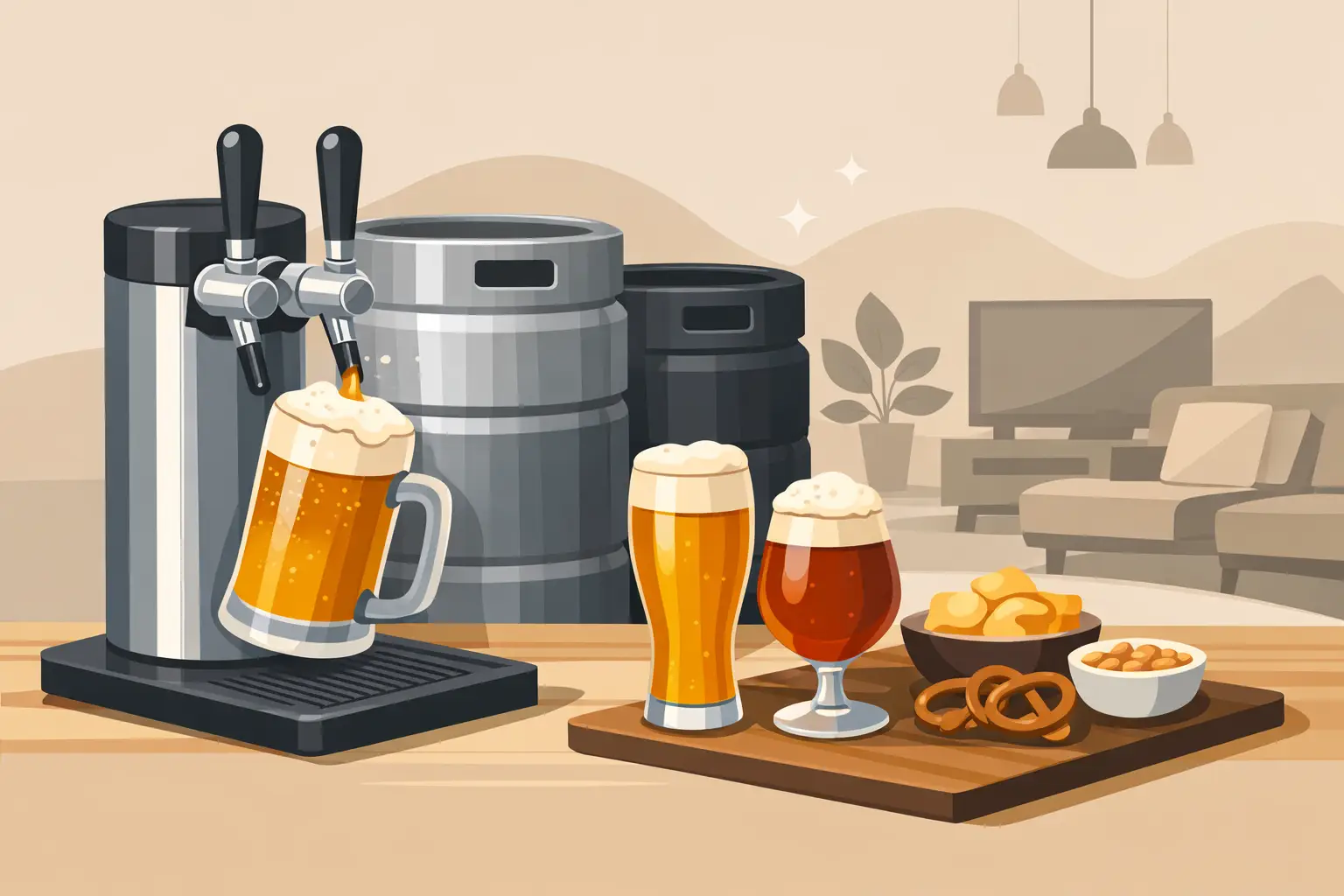
A warm esky full of melting ice and a pile of half-finished bottles can take the shine off a good get-together pretty quickly. Draft beer for home entertaining solves that in a simple way – colder pours, less mess, and a setup that feels easier on the host once everyone arrives.
For plenty of Gold Coast households, the appeal is not about turning the house into a pub. It is about serving fresh beer or cider properly, without spending the whole afternoon opening cartons, chasing ice, or dealing with rubbish bags full of empties the next morning. If you entertain a few times a year, or you just like having good beer on tap at home, a draft setup can make a lot of sense.
The biggest advantage is consistency. When your beer is kept cold and dispensed correctly, every pour tastes the way it should. You are not relying on whether someone grabbed a bottle from the bottom of an esky or left a six-pack sitting in the sun near the barbecue.
There is also the practical side. A keg takes up less space than the equivalent number of bottles or cans, and it cuts down heavily on packaging waste. For hosts, that matters. You spend less time tidying as the night goes on, and less time cleaning up afterwards.
Then there is the social part. A tap setup naturally becomes part of the gathering. People enjoy pouring a beer properly, and it gives the whole event a more relaxed feel. That said, it is only a good idea if the system matches the way you actually entertain. A large permanent kegerator is brilliant for some homes and overkill for others.
There is no single best system for everyone. The right option depends on how often you host, how much room you have, what you like to drink, and how hands-on you want to be.
A kegerator is usually the most straightforward long-term option. It keeps the keg chilled, regulates the gas, and lets you pour on demand without much fuss. If you entertain regularly, or you want beer or cider available week to week, it is hard to beat for convenience.
For occasional parties, portable party hire gear or a simpler temporary setup can be the smarter choice. That gives you the experience of draft service without committing to a full appliance at home. It is especially handy if you are hosting a birthday, engagement, backyard session or holiday gathering and only need the gear for a weekend.
Some people also come to draft systems through home brewing. If you are already kegging your own beer, using that setup for entertaining is a natural next step. You still need reliable gas, regulators and serving parts, but the value is strong if you are pouring your own fresh batches.
Good draft beer starts well before the tap handle. Fresh product, handled properly, simply drinks better. That is one reason local supply can make such a difference. Beer and cider that have not spent ages sitting in warehouses or travelling long distances often hold their character better, especially in warmer conditions.
For home entertaining, freshness is not just a nice extra. It shapes the whole experience. If you are pouring a crisp lager, a pale ale or a clean cider, you want the drink to taste bright and lively from the first glass to the last. Old stock, poor storage or temperature swings can flatten that quickly.
That is also why your dispensing setup matters. A great keg served through a poorly balanced system can still pour badly. Too much foam, flat beer, inconsistent flow or warm lines all get in the way. The product and the equipment need to work together.
People can get lost in gear talk very quickly, but for most home hosts the basics are simple. You need a keg, a gas source, a regulator, lines in good condition, and a way to keep the beer cold. If any one of those is off, the whole system becomes frustrating.
Temperature is usually the first issue. Beer pours best when it is properly chilled and held at a steady temperature. If the keg is too warm, you will chase foam all day. Gas pressure is the next big one. Too high or too low, and your pour quality suffers.
Clean lines are another one people overlook. Even fresh beer will not stay tasting fresh if it is running through dirty lines or tired fittings. If a setup has been sitting unused for a while, checking seals, taps and hoses before guests arrive can save a lot of annoyance later.
For that reason, local support matters almost as much as the gear itself. Being able to sort a CO2 refill, replace a regulator, grab spare parts or ask a practical question without mucking around makes home draft much easier to live with.
This is where a lot of hosts either under-order or go too big. The answer depends on your guest list, the length of the event, and whether beer is the main drink or just one option among wine, cider, soft drinks and spirits.
A smaller gathering with a mixed crowd may only need one keg, especially if you are offering a couple of other drinks. A bigger backyard event where most guests are beer drinkers might justify more volume or a second style on tap. It depends on the occasion.
There is also the question of variety versus simplicity. Two taps sound great, but if your crowd mostly drinks one style, a single reliable keg can be the better call. On the other hand, if half your guests prefer cider, having both beer and cider available can make the setup work much harder for you.
For home entertaining, approachable styles usually win. A clean lager, easy-drinking pale ale or refreshing cider tends to suit a wider range of people than anything too heavy, bitter or experimental. That does not mean you need to play it safe every time. It just means the smartest choice is often the one that keeps everyone happy.
Weather also plays a part, especially in South East Queensland. In the warmer months, crisp and refreshing styles are usually the first to go. In cooler weather or evening events, a fuller-bodied beer might make more sense. Food matters too. If you are cooking seafood, pizzas or barbecue, a balanced beer with good drinkability tends to pair better than something overpowering.
This is where dealing with a local supplier can help. Instead of guessing, you can get advice based on the event, the crowd and the season, and that usually leads to better drinking and less waste.
If you host often, enjoy fresh beer on tap, or already have an interest in home brewing, it often is. The convenience adds up, the presentation is better, and the drinking experience is hard to compare with cartons in a fridge. Over time, it can also be a more efficient way to serve a decent volume of beer or cider.
If you only entertain once or twice a year, buying a full setup may not be the best value. In that case, hiring gear or getting help with a temporary solution can be the more sensible path. The good thing is you do not need to overcommit to enjoy draft service at home.
That practical middle ground suits plenty of people. Start with the occasion you have in front of you, not the most elaborate system you have seen online. A reliable, well-supported setup that fits your place will always beat a flashy one that becomes a headache.
At Aardvark & Arrow Brewery, we see this all the time – the best home draft setups are not the most complicated ones, but the ones that keep good beer cold, pouring properly, and ready when your mates arrive. If you keep it simple and choose gear that suits the way you actually entertain, draft beer at home stops feeling like a novelty and starts feeling like the easiest part of hosting.