
 0466 120 139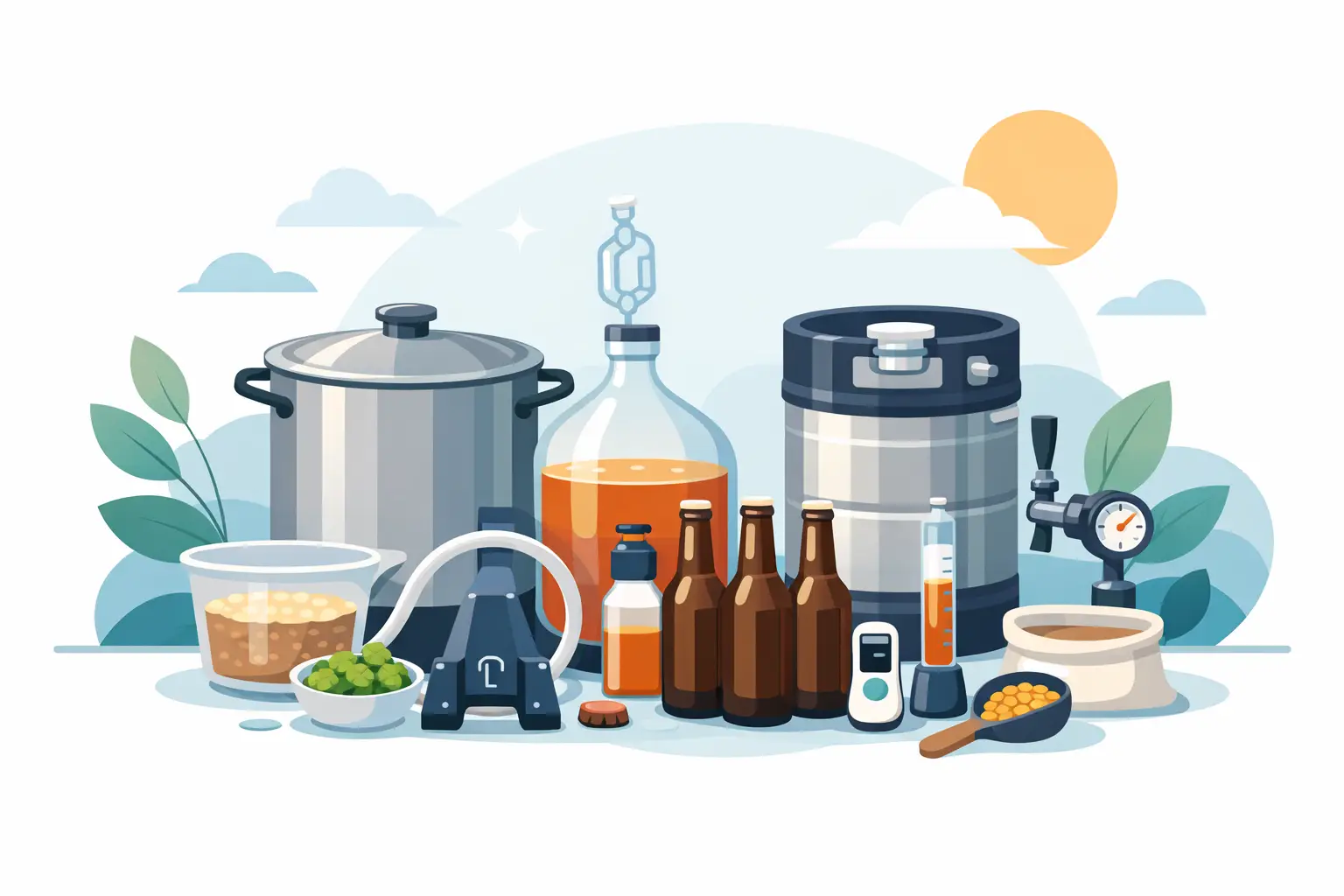
A batch usually goes wrong long before fermentation if your gear is patchy, worn out or missing the basics. That is why decent homebrew supplies matter more than most people think. The right setup does not need to be fancy, but it does need to be reliable, clean and suited to the way you actually brew.
For plenty of brewers, the problem is not enthusiasm. It is trying to make good beer or cider with mismatched parts, tired seals, an empty gas bottle or a fermenter that should have been replaced ages ago. A better result often comes from sorting the practical side first.
The best gear does three jobs. It helps you stay consistent, it cuts down the usual frustrations, and it keeps the whole process more enjoyable. If your fermenter seals properly, your regulator behaves, and your bottling or kegging gear works without a fight, you spend less time fixing problems and more time making something worth pouring.
That does not mean you need a shed full of equipment. In fact, buying too much too early is a common mistake. A sensible setup is usually better than an oversized one, especially if you are still working out whether you prefer beer, cider, kegging, bottling or a mix of both.
There is also a difference between cheap and good value. Cheap gear can be fine for some items, but not all. A spoon is a spoon. A dodgy regulator, split beer line or unreliable tap is another story. When one weak point affects pressure, sanitation or oxygen exposure, the cost turns up later in wasted product.
If you are just getting started, keep it simple. You need a clean way to ferment, a straightforward recipe or kit, sanitiser, and a clear plan for packaging. That last part matters more than people expect. Before buying anything, decide whether you want to bottle or keg, because that choice shapes most of the gear that follows.
A beginner kit is often the easiest path because it removes guesswork. You get the core pieces in one hit and can focus on learning process instead of chasing bits and pieces from five different places. That said, not all kits are equal. Some are genuinely useful. Others are full of extras that look helpful but end up in a drawer after one brew.
A good beginner setup should feel manageable. You should be able to clean it properly, lift it safely, and store it without turning the laundry into a permanent brewery. If the process feels too fiddly from day one, many people give up before they brew a second batch.
A fermenter is not exciting, but it is one of the most important pieces you will own. It needs to seal well, clean easily and hold steady without flimsy taps or brittle plastic. If the fermenter is scratched up or hard to sanitise, infection risk goes up and confidence drops.
Temperature matters too. On the Gold Coast, that can be the difference between a crisp, clean result and a batch that tastes rough around the edges. Some brewers use a dedicated fermentation fridge. Others work with a simpler temperature control method. Either can work, but ignoring temperature altogether usually catches up with you.
Packaging gear is another area where quality pays off. Bottling needs reliable caps, clean bottles and a filler that does not make a mess. Kegging needs sound seals, proper disconnects, beer and gas lines that suit the job, and a regulator you can trust. If one part in that chain is poor, the whole system can become frustrating very quickly.
Then there is gas. If you run a keg system, a steady supply of CO2 is not optional. A refill service nearby makes life easier, especially when a bottle runs low before a weekend gathering. It is one of those things people forget until they are staring at a flat pour and an empty fridge full of beer.
A lot of home brewers start with bottles and move to kegs later. That makes sense. Bottling is cheaper to begin with, and it teaches patience and process. But kegging is where many people decide brewing becomes a proper hobby rather than a chore.
The reason is simple. Kegs save time, reduce repetitive handling and make serving easier. They also give you better control over carbonation and freshness. For beer and cider drinkers who already have a bar fridge, kegerator or party setup in mind, kegging often feels like the natural next step.
There is a higher upfront cost, and it is worth being honest about that. Kegs, taps, lines, regulators and gas bottles all add up. But if you brew regularly, the convenience can justify it. You are not washing and capping dozens of bottles every batch, and pouring fresh draught at home has its own appeal.
Not every brewer wants the same thing. Some want a straightforward pale ale on tap at home. Some are making cider for summer. Others are brewing for parties or testing recipes before going bigger. The supplies that suit one setup may be a poor fit for another.
If you brew occasionally, a compact kit and a simple packaging method may be enough. If you brew often, durability matters more. If you serve at home, draught gear becomes more relevant. If you host events, portability and spare parts matter just as much as the main equipment.
This is where local advice helps. A generic online bundle might look cheap until you realise the fittings do not match, the gas bottle arrangement is inconvenient, or a replacement part takes weeks to find. Having access to someone who understands brewing systems, not just online checkout pages, can save plenty of stuffing around.
One of the least glamorous parts of home brewing is also one of the most useful – keeping spares on hand. Washers, seals, disconnects, taps, line, clamps and regulators are not the sort of things anyone brags about, but they are often what keep a setup running smoothly.
A lot of brewing delays come down to small failures. A cracked O-ring can stop a keg from sealing. A worn tap can cause leaks. A blocked line can ruin a good pour. None of these problems are dramatic, but all of them are annoying when you only discover them on brew day or right before guests arrive.
That is why practical homebrew supplies are often better than flashy ones. A reliable spare parts drawer beats a novelty gadget almost every time. It keeps your system serviceable and reduces downtime, especially if you are brewing and pouring regularly.
There is also a practical benefit in dealing with a local supplier who understands both brewing and dispense gear. You are not just buying products. You are buying fewer headaches. If you need a CO2 refill, a replacement regulator, a part for your kegerator or help matching fittings, local support can make the difference between getting on with it and losing half a Saturday.
For Gold Coast brewers, that local angle matters. Heat, storage conditions, transport and timing all affect how equipment and ingredients perform. Advice that suits a cool climate interstate is not always much help here. Fresh stock, sensible recommendations and straightforward service count for a lot.
That is part of why businesses like Aardvark & Arrow Brewery sit well with local brewers and home users. The appeal is not hype. It is having fresh product, practical gear and support for the real-world side of brewing and pouring, all without making it harder than it needs to be.
Most brewing frustrations are not mysterious. They come from avoidable weak points – poor cleaning, bad seals, unreliable gas, unsuitable gear or buying the wrong parts in the first place. Sorting those issues does not make the hobby less hands-on. It simply gives you a better shot at a clean ferment, a steady pour and a result you are happy to share.
If you are choosing homebrew supplies, think less about what looks impressive and more about what will still be useful six months from now. Good gear should make brewing feel straightforward, not complicated. Get the basics right, keep your setup serviceable, and the rest of the process tends to behave a lot better.