
 0466 120 139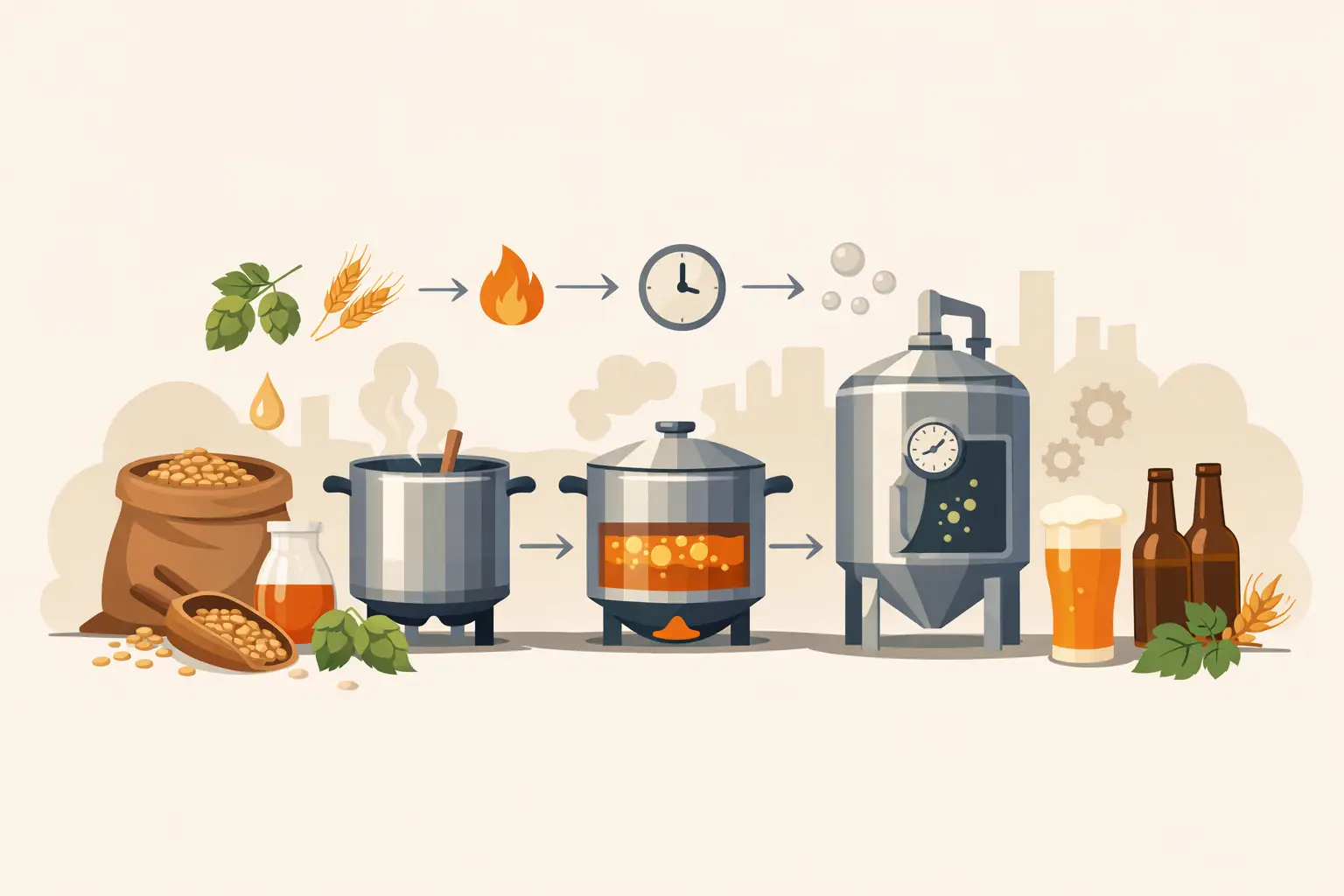
When a beer tastes bright, fresh and properly balanced, that usually starts well before it hits the tap. The small batch brewing process gives brewers tighter control over each stage, which matters if you care about flavour, consistency and getting beer into local hands while it is still at its best.
For plenty of drinkers, “small batch” sounds like marketing. Sometimes it is. But in a working brewery, it has practical effects. Smaller production runs change how ingredients are handled, how fermentation is monitored, how quickly beer moves, and how easy it is to adjust recipes for the season, the venue or the crowd you are brewing for.
At its simplest, the small batch brewing process means producing beer in lower volumes than a large commercial brewery. That does not mean cutting corners or being less professional. In many cases, it is the opposite. The same core brewing principles apply – milling, mashing, lautering, boiling, fermenting, conditioning and packaging – but the scale allows for closer hands-on attention.
That matters because brewing is full of small decisions. Water chemistry, mash temperature, hop timing, yeast health and cold storage all affect the finished beer. In a smaller run, there is more room to notice what is happening and respond quickly if something needs adjusting.
For a local brewery, it also means beer does not need to sit around waiting for a national distribution cycle. It can be brewed, conditioned, packaged and delivered within a tighter timeframe. For customers, that often shows up as fresher flavour and better drinkability.
Large breweries are built for volume and repeatability. There is real skill in that, and the best of them are very good at it. But scale comes with trade-offs. Bigger batches usually require longer planning windows, larger ingredient commitments and broader distribution. That can make flexibility harder.
A small batch setup can react faster. If a pale ale is drinking beautifully, the next run can follow while the profile is still dialled in. If a recipe needs a touch more bitterness or a cleaner ferment, those changes are easier to test without risking an enormous production load.
This is one of the reasons smaller local breweries often produce beers with a fresher, more immediate character. They are not trying to make a product that has to travel everywhere and sit on shelves for extended periods. They are making beer to be enjoyed close to where it was brewed.
Everything starts with a recipe that suits the intended beer style and how people are likely to drink it. A clean lager needs precision and patience. A hazy pale ale might lean more heavily on late hop additions and softer water treatment. A cider has its own balance points around fruit character, sweetness and acidity.
In a small batch format, ingredient choice is especially visible. There is nowhere for rough malt, tired hops or stressed yeast to hide. Because the runs are smaller, a brewer can also trial seasonal ideas or limited releases without committing to huge stock volumes.
Once the grain bill is set, the malt is milled to expose the starches inside the grain. From there it is mixed with hot liquor in the mash tun. The goal is to convert those starches into fermentable sugars.
This part sounds simple on paper, but temperature control matters. Too hot and fermentability drops. Too cool and the wort can end up thin or under-converted. In the small batch brewing process, the brewer can closely watch mash performance and tweak timing and temperature if needed.
After mashing, the sweet wort is separated from the spent grain. This stage affects clarity and efficiency. Push it too hard and you can pull unwanted tannins. Move too slowly and the brew day drags out without much gain.
The wort is then boiled, which sterilises it and allows hops to be added in stages. Early additions contribute bitterness. Later additions shift more towards flavour and aroma. The timing here shapes the beer in a big way. Smaller brewhouse runs give brewers a chance to stay close to the kettle and manage those additions with care.
After the boil, the wort is cooled quickly and transferred to a fermenter. Yeast is pitched once the temperature is right. This is where sugar becomes alcohol, carbon dioxide and a long list of flavour compounds.
Fermentation is one of the clearest examples of why small batch brewing suits quality-focused local production. Yeast health, oxygen control and fermentation temperature all need proper attention. If you rush this stage, the beer tells on you. Off-flavours, poor attenuation and uneven character are common signs.
A smaller operation can keep a close eye on daily changes in gravity, temperature and aroma. That does not guarantee perfect beer every time, but it gives the brewer a better chance of making sound decisions as the batch develops.
Once primary fermentation is complete, the beer still needs time. Conditioning allows flavours to settle, yeast to clean up by-products and the beer to come together. Some styles need only a short rest. Others benefit from a longer cold conditioning period.
Packaging can mean kegs, cans or bottles depending on the brewery and the intended use. For local supply, kegging often makes strong sense because it keeps the product moving efficiently into homes, events and venues. Fresh beer on tap is where the payoff of careful production is often most obvious.
Freshness is not just about age. It is about storage, handling and how long the beer spends between packaging and pouring. Hop-driven beers can lose their liveliness if they sit too long or get too warm. Even malt-forward styles suffer if they are not looked after properly.
That is where the small batch brewing process has a real advantage for a local market. Shorter supply chains mean fewer opportunities for beer to be mishandled. It also means breweries can brew according to actual demand instead of trying to predict months ahead.
For customers with kegerators, home bars or event setups, this is worth paying attention to. Good beer can be let down by old stock, poor gas settings or warm storage. The brewing process matters, but so does everything that happens after the keg leaves the brewery.
One common assumption is that small batch brewing is automatically less consistent than larger-scale production. It can be, if the setup is casual or poorly managed. But when professional methods are used, small batch brewing can be highly reliable.
Consistency comes from process control, cleaning discipline, sound recipe records, calibrated equipment and careful packaging. The size of the batch is only one part of the picture. A hands-on brewery that takes process seriously can produce repeatable beer while still keeping the flexibility that small-scale brewing offers.
That balance is often what local customers are really after. They want beer that feels fresh and made nearby, but they also want confidence that the next keg or carton will be just as enjoyable as the last.
A local market like the Gold Coast responds well to freshness, convenience and no-fuss service. People are buying for backyard catch-ups, home tap systems, parties, local venues and weekend events. They want quality, but they do not want to overcomplicate it.
The small batch brewing process fits that kind of demand because it supports regular production, direct supply and better responsiveness. If a brewer is close to the customer, they can do more than just make the beer. They can help with gas, dispensing gear, keg management and practical setup advice too. That full picture matters just as much as the brew day itself.
At Aardvark & Arrow Brewery, that local, hands-on model is part of the point. Fresh beer and cider work best when the brewing, packaging and service side all line up.
Small batch brewing is not magic. Unit costs can be higher. Packaging and labour can take up more time per litre. Tank space becomes a bigger planning issue, especially when one slow-conditioning beer ties up equipment needed for the next run.
There is also less room to hide mistakes. If a batch underperforms, that is felt quickly. On the other hand, the lower volume makes recipe development and seasonal releases more practical. You can try something new without betting the farm on it.
That is the real value of this approach. It gives brewers room to stay close to the product and serve their local market properly, while still using professional standards from grain to glass.
If you are choosing beer for your home setup, your next event or your venue, it is worth asking how it was brewed, how fresh it is and how quickly it got from the tank to the tap. Those details are not fluff. They are often the reason one beer tastes alive and another just tastes flat.