
 0466 120 139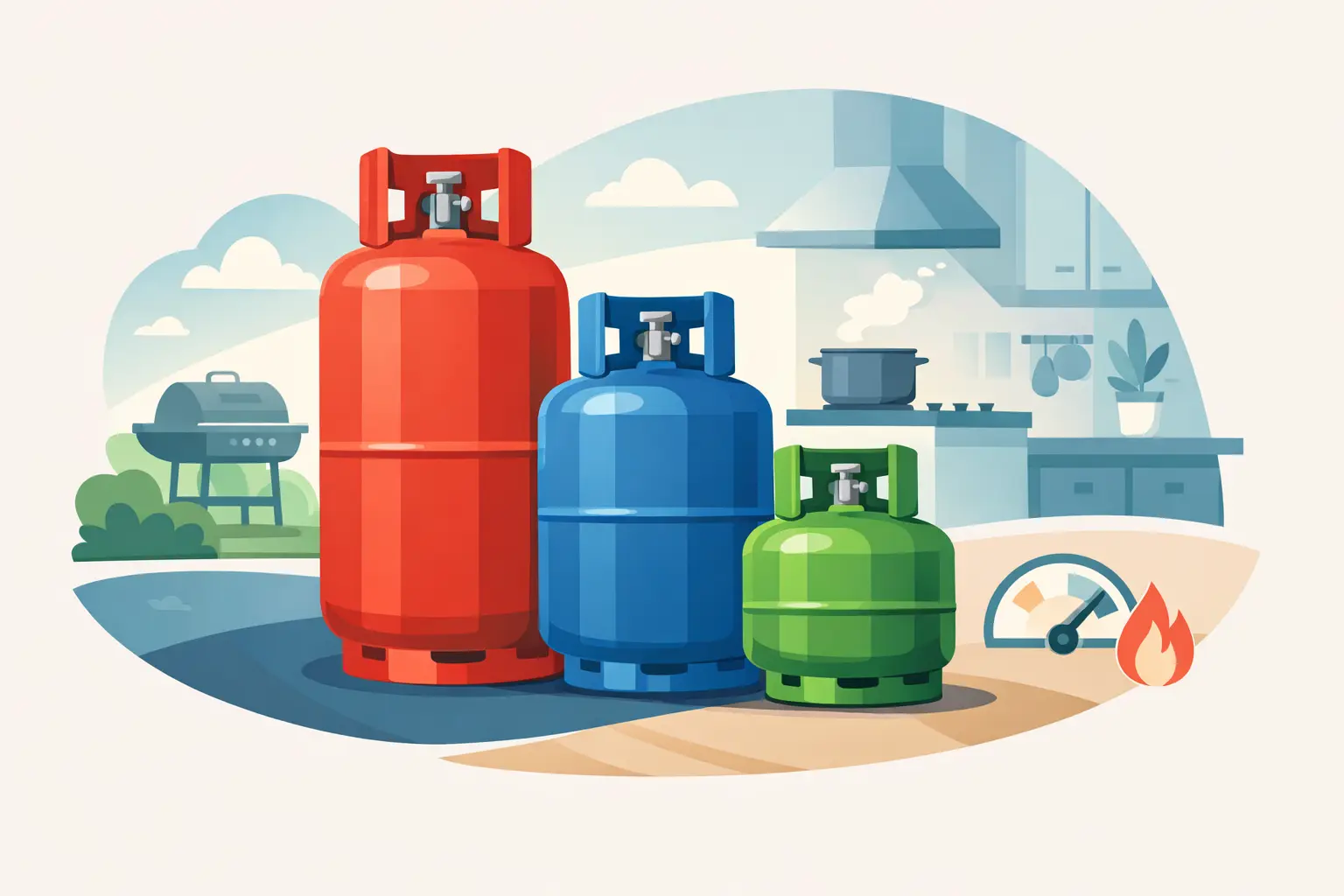
A gas bottle that is too small always seems fine until it runs out halfway through a Saturday arvo pour. A bottle that is too big can be awkward to fit, harder to move and more than you need. If you are wondering what size gas bottle is right for your setup, the answer usually comes down to three things – where it will sit, how often you pour, and whether the system stays at home or travels to parties and events.
For most people, bottle size is less about chasing the biggest option and more about matching the bottle to the job. A home kegerator under the bench has different needs to a party setup in the back of the ute, and both are different again from a more serious home brew rig with multiple kegs on tap.
CO2 bottle sizes are usually discussed by capacity, often in kilograms. In practical terms, the common question is whether you need something compact and portable or something larger that lasts longer between refills.
If you have a small kegerator or bar fridge conversion, space is usually the first limitation. Many home users find that a smaller bottle is the only realistic option if it needs to fit inside the fridge cabinet. That can work well, especially if you are only pouring one keg at a time and your use is fairly light. The trade-off is simple – smaller bottles are easier to place, but they need refilling more often.
If the bottle sits outside the fridge, you usually get more flexibility. A larger CO2 bottle can make more sense because it gives you longer run time and fewer refill trips. For regular drinkers, busy households, or anyone who entertains often, that convenience matters more than people expect.
For mobile setups, bottle size becomes a balancing act. You want enough gas to get through the event, but not so much weight and bulk that the whole job becomes a hassle. A party host pouring a couple of kegs for one evening does not need the same bottle as someone running a regular market stall or drinks service every weekend.
There is no single perfect size for everyone, but there are a few common patterns.
A smaller bottle suits compact kegerators, occasional use and tighter spaces. It is the practical choice when internal clearance is limited or the setup needs to stay neat and tucked away. If you only go through a keg now and then, smaller can be perfectly sensible.
A mid-sized bottle is often the sweet spot for home users. It gives you decent run time without becoming too awkward to handle. For people with a home bar, a two-tap kegerator, or a regular weekend pouring habit, this size often feels like the best value.
A larger bottle suits higher-volume use, multi-keg systems and anyone who would rather refill less often. If you have the room and the setup is mostly stationary, bigger generally means more convenience. The main downside is physical size. You need to be sure it fits the available space and can be secured properly.
This is where most people get caught out. They buy based on capacity first, then realise the bottle does not fit the cabinet, the regulator hits the wall, or the door will not close.
For a kegerator, measure first and buy second. You need to allow for the bottle height, the width at the base, and the extra room required once the regulator is attached. The regulator can add more bulk than expected, especially in compact fridges. Also consider the gas line path and whether the bottle will sit upright without interfering with kegs, font lines or shelving.
If your kegerator only has room for a small internal bottle, that is not a bad outcome. It keeps the setup tidy and self-contained. But if you have the option to run the bottle externally through a gas line, a larger bottle often makes life easier over time.
One point worth remembering is that heavy users rarely regret having more gas capacity. Occasional users, on the other hand, often prefer the convenience of a bottle that is easy to lift, move and swap.
An internal bottle keeps everything in one unit and looks cleaner, which suits many home setups. It can also be handy if the kegerator needs to move occasionally. The downside is lost internal space and tighter fitting.
An external bottle frees up room for more keg capacity and usually opens the door to a larger bottle size. It is often the better choice for dedicated home bars or sheds where appearance is less important than function. Just make sure the line routing is tidy and the bottle is secured.
Home brewers tend to use CO2 for more than just serving. Depending on the setup, you might use gas for purging, transferring, carbonating and dispensing. That broader use changes the calculation.
If you are only dispensing finished beer from a single keg, a smaller or mid-sized bottle may do the job well. If you are regularly force-carbonating, purging fermenters or running multiple kegs, a larger bottle starts to make more sense. Those extra tasks use gas, and it is frustrating to run low right when you are packaging a fresh batch.
This is one of those areas where buying a bit more capacity up front can save annoyance later. Not because everyone needs the biggest bottle available, but because home brewing tends to grow. One keg becomes two, one tap becomes three, and suddenly the bottle that looked generous on day one feels a bit light.
For parties, portability matters nearly as much as gas capacity. A bottle that lasts forever is not much help if it is cumbersome to move, awkward to strap in, or overkill for a one-night setup.
If you are serving a single keg at a backyard birthday, a smaller bottle is often enough and much easier to manage. If you are pouring multiple kegs across a full day or weekend, especially in warm weather where serving pressure needs to stay stable, a mid-sized bottle is usually a safer bet.
Event organisers also need to think about backup plans. Running out of gas stops service immediately, even if there is still beer left in the keg. For larger functions, it can be smarter to size up rather than cut it fine.
Bottle size gets most of the attention, but it is only part of the picture. The regulator needs to match the bottle and the job. The bottle must be in test and in good condition. It should always be stored upright and secured properly, whether it is in a home bar, garage or event trailer.
Refill convenience matters too. A slightly smaller bottle that is easy to refill locally can be more practical than a bigger bottle that becomes a chore every time it needs service. For Gold Coast locals, dealing with someone who understands beer systems, not just gas in general, usually saves time and guesswork.
It is also worth being honest about your pouring habits. Plenty of people buy for the setup they imagine they will have, not the one they actually use. If your kegerator only gets a workout on long weekends and family gatherings, a compact bottle may be the right call. If your taps are active every week, going larger is usually money well spent.
Start with the physical space. If the bottle must fit inside a fridge or kegerator, that narrows the field quickly. Then think about how much beer you actually pour in a month, not your best-case estimate. Finally, decide whether ease of movement or longer time between refills matters more.
That usually points you in the right direction. Small for tight spaces and occasional use. Mid-sized for most home bars and regular pouring. Larger for multi-keg systems, serious home brewers and higher-volume service.
If you are still unsure, the best answer is usually the one that keeps your system simple and dependable. Around here, that tends to mean choosing the biggest bottle that comfortably fits your setup and your routine, without making the whole job harder than it needs to be.
A good gas setup should disappear into the background. When the bottle size is right, the pours stay steady, the beer stays flowing, and you spend less time fiddling with gear and more time enjoying what is in the glass.