
 0466 120 139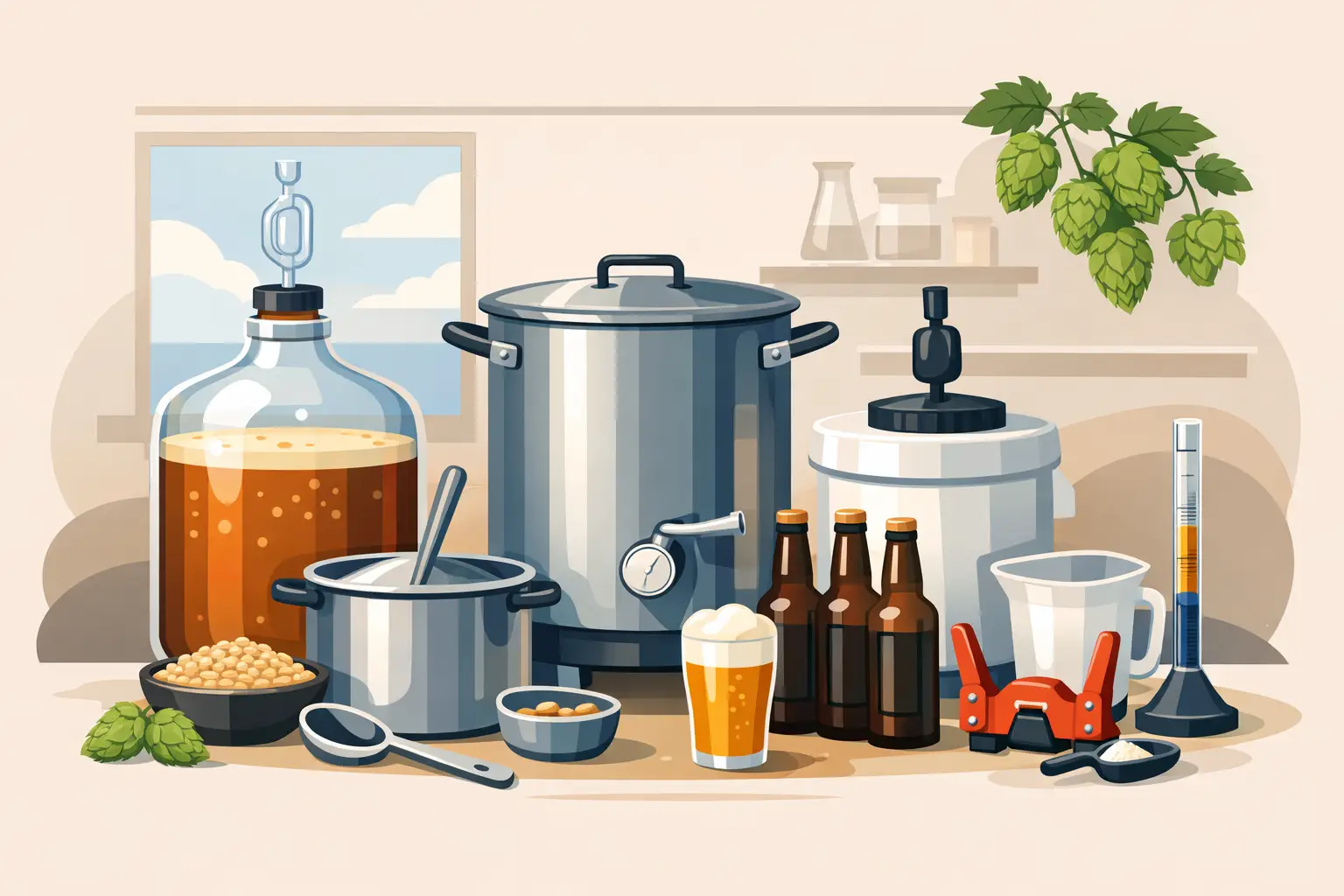
You can save yourself a fair bit of frustration by choosing the right kit the first time. The best homebrew starter kits are not always the biggest box or the one with the flashiest label. For most beginners, the right pick is the kit that matches how much effort you actually want to put in, how much room you have at home, and whether you want quick results or a hobby you can build on.
A lot of first-time brewers buy too much gear, then realise they only wanted a simple weekend batch for the fridge. Others go too cheap, miss a few key pieces, and end up making extra trips for sanitiser, bottles or a fermenter tap. A good starter kit sits in the middle. It gives you enough to brew properly, without loading you up with equipment you will not use.
A decent starter kit should help you make clean, drinkable beer without needing a chemistry degree or a shed full of gear. At minimum, it should include a fermenter, an airlock, a tap or bottling setup, cleaner or sanitiser, and the basic tools needed to track fermentation, such as a hydrometer. If those items are missing, the low price can be a false economy.
Good kits also make the process easier to repeat. That matters more than people think. Your first batch might be a novelty. Your second and third batches are where you decide if homebrewing is really for you. If the gear is flimsy, awkward to clean or hard to use, it takes the fun out of it pretty quickly.
The other thing to watch is ingredient quality. Some kits come with everything, including malt extract, yeast and hops. Others are equipment-only. Neither option is automatically better. If you are brand new, a full kit can be handy because you can get brewing straight away. If you want more control over style and freshness, buying equipment and ingredients separately can make more sense.
This is the easiest entry point. You get the basic brewing gear and make beer from a tin of hopped extract, usually with added brewing sugar or enhancer. It is simple, affordable and forgiving enough for beginners.
The trade-off is control. You can make solid beer this way, but there is less room to shape the flavour than with more advanced methods. If your goal is to keep costs down and learn the basics of sanitation, fermentation and bottling, this type of kit is often the smartest place to start.
These kits step things up a bit. Instead of relying mainly on a pre-hopped can, you use malt extract and often add your own hops. That gives you more say over bitterness, aroma and body, while still keeping the process manageable.
For many brewers, this is the sweet spot. You get better flexibility without needing a full all-grain setup. It does take a bit more time and confidence, though, so it suits people who already know they want more than a basic beginner batch.
This is the hands-on option. You mash grains, boil wort, manage temperatures more closely and generally take on more of the process from scratch. The results can be excellent, and it is the path most serious hobby brewers end up exploring.
For a genuine beginner, though, all-grain can be a bit much. It usually costs more, takes longer and needs more equipment and space. If you love tinkering and want to learn proper brewing methods from day one, fair enough. If you just want to make fresh beer at home without turning the laundry into a brewery, start simpler.
The right kit depends on how you plan to brew at home. Start with space. A basic fermenter kit can fit into a cupboard, spare bathroom or cool corner of the house. Larger systems with boilers, chillers and grain gear need more room and better cleanup access.
Next, think about packaging. If you are bottling, make sure the kit either includes bottling tools or leaves enough in the budget for them. Bottles are often the hidden cost for beginners. If you already run a keg setup or plan to upgrade into one later, some starter kits will fit that pathway better than others.
Temperature matters too, especially in Queensland conditions. Brewing is easier when you can keep fermentation reasonably stable. That does not mean you need a fancy controlled chamber from the start, but it does mean you should be realistic about where the fermenter will sit. A good kit cannot fix poor fermentation temperatures.
Then there is batch size. Many starter kits are built around 20 to 23 litre batches, which is fine for most households. If you are only trying to brew small experimental batches, or you do not have the bottle storage for full runs, a smaller setup might suit you better.
A low sticker price can be tempting, but very cheap kits often cut out the small things that matter. A missing hydrometer, poor-quality tap, weak fermenter lid or lack of proper sanitiser can all lead to headaches. You do not need top-shelf gear to start, but you do need gear that works properly.
It is also worth being careful with oversized kits marketed as complete brewery systems for beginners. Sometimes they are complete, but not beginner-friendly. If the instructions assume prior knowledge or the setup needs extra equipment to function well, the learning curve gets steep in a hurry.
Another common mistake is buying based only on the beer style shown on the box. A lager kit sounds appealing, but lagers can be less forgiving for new brewers because they usually want tighter temperature control. Many beginners get better early results with pale ales, amber ales or simple draught-style brews.
Before you spend money, check whether the kit includes a fermenter with tap, airlock, hydrometer, thermometer, cleaner or sanitiser, mixing spoon, and bottling gear if you need it. If ingredients are included, look at what form they come in and whether they suit the beer styles you actually drink.
Also check if replacement parts are easy to get. Taps, seals, airlocks and hoses are small items, but they matter once you start brewing regularly. Local support helps here. Being able to grab a spare part, get CO2 sorted, or ask a straight question from someone who actually understands brewing is worth more than a cheap online bargain that leaves you stranded.
If you are just curious and want a low-cost start, a basic can kit with sound equipment is usually enough. It teaches the fundamentals without making every batch an all-day project.
If you already know you enjoy craft beer and want more say over flavour, an extract kit is often the better buy. It gives you room to experiment without jumping straight into advanced brewing.
If you are the sort of person who enjoys process, gear and fine-tuning every step, an entry-level all-grain setup might be right. Just be honest with yourself about time, budget and patience.
For plenty of local brewers, the best option is not the most advanced one. It is the one that gets used. A straightforward setup that makes fresh, reliable beer is better than an ambitious setup gathering dust in the garage.
At Aardvark & Arrow Brewery, we see this all the time. People do best when they start with solid gear, realistic expectations and a setup that suits their home, not someone else’s brewing forum wishlist.
Once you have your kit, the smartest move is to focus on process before upgrades. Clean everything properly. Keep fermentation temperatures as steady as you can. Give the beer enough time. Those basics improve results more than fancy gadgets early on.
You can always build from there. Many brewers start with a simple fermenter and bottles, then move into better ingredients, keg systems, CO2 support or more advanced brewing methods as their confidence grows. That is a better path than overspending at the start.
The best homebrew starter kits give you a clean first run and a clear next step. If your kit helps you brew good beer now and still leaves room to improve later, you are on the right track. Pick something practical, keep it simple, and let the brewing teach you the rest.
Good homebrewing does not start with the fanciest setup. It starts with gear you understand, ingredients you trust, and a batch you are keen to brew again next weekend.